Environmental intelligence at the North Pole
Original title: Umweltintelligenz am Nordpol
As Arctic ice melts and permafrost thaws, researchers are monitoring conditions to better understand the changing region.
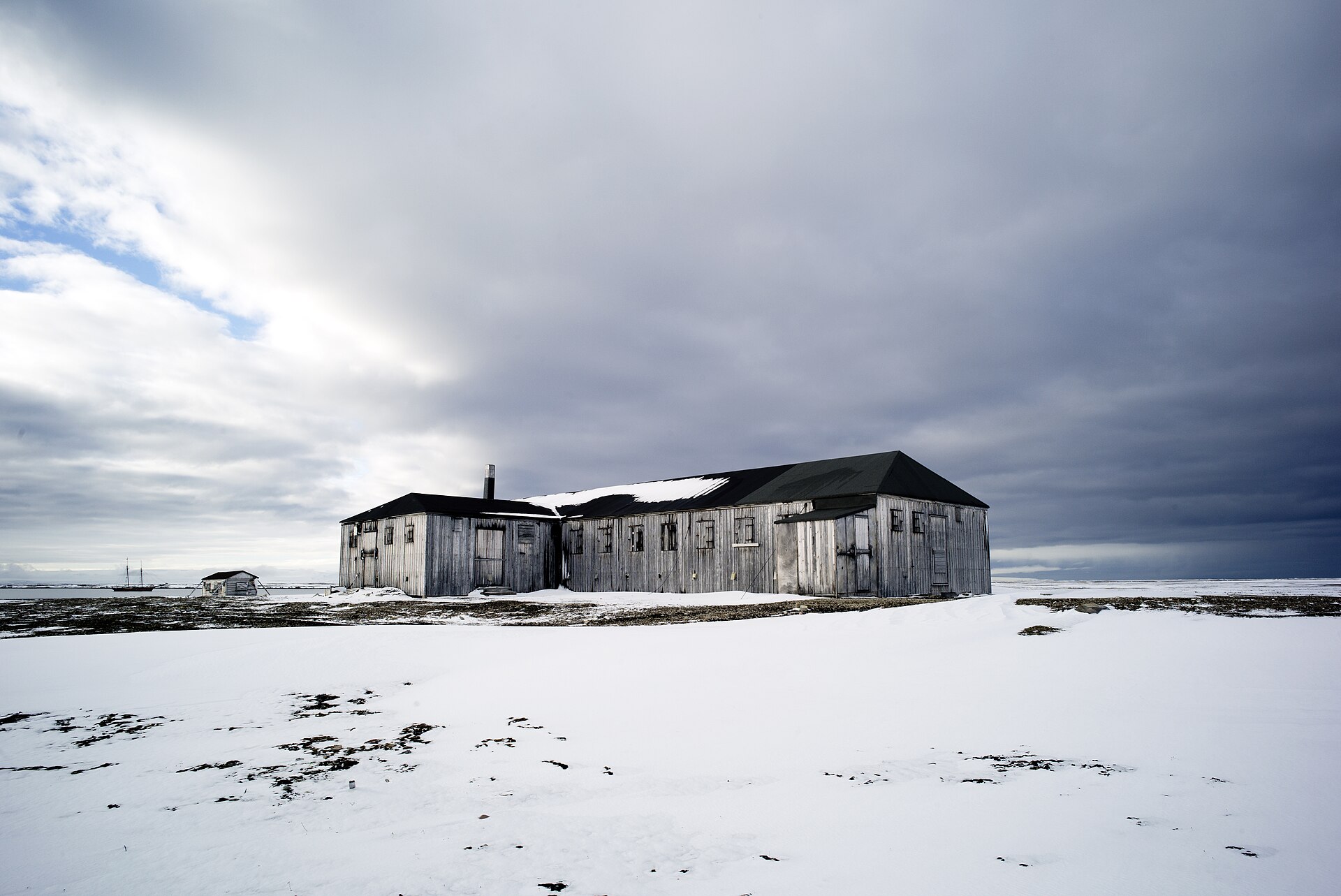
Experts have worked on Alaska’s North Slope for more than 20 years, operating two facilities for Sandia National Laboratories as part of the Atmospheric Radiation Measurement programme, funded by the US Department of Energy’s Office of Science Biological and Environmental Research programme.
Using drones and uncrewed balloons, researchers collect measurements of atmospheric conditions. The data help improve weather forecasts and refine climate models to capture the observed changes.
Another focus of Sandia’s Arctic work is national security. Melting Arctic ice sheets are revealing new natural-gas resources and an unexplored ocean that could become a future military theatre. Thawing permafrost is causing existing roadbeds to crumble—in Alaska, for example—and threatening the physical stability of coastal infrastructure.
Detailed analysis of environmental change, from refining coastal-erosion models to predicting seabed conditions, provides environmental intelligence that, considered alongside its social implications, is key to Arctic security.